
Street photography journal
Find the frame between moments.
Stef Camera is a visual notebook for street photography, camera culture, timeless gear, and the strange little decisions that turn ordinary light into a photograph.

Street notes
Ordinary places. Unrepeatable seconds.
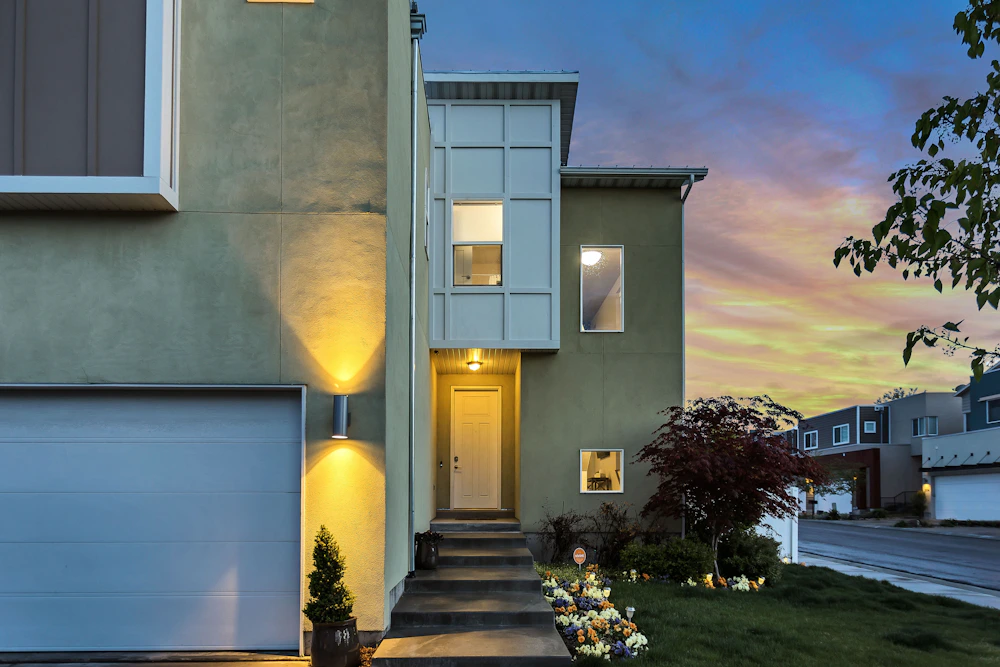
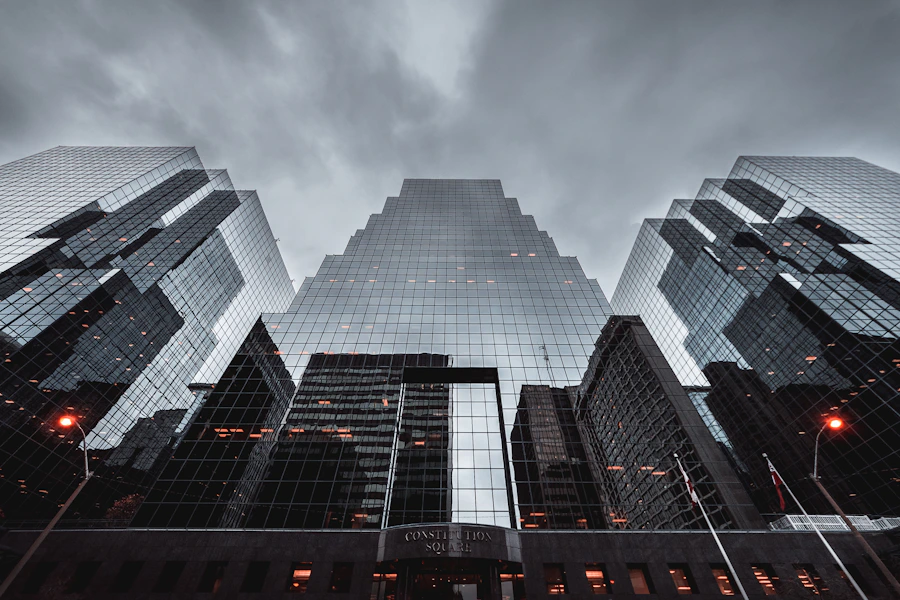
Street photography rewards patience, curiosity, and a willingness to notice what everyone else walks past. The camera is not the story; it is the excuse to keep looking.

Long lenses flatten distance into design.

Color becomes a second subject.

Let the shadows do the editing.
A brief camera history
Two centuries of chasing light.
Photography evolved from room-sized experiments to pocket computers with many lenses. Every era changed the tools, but the central puzzle stayed the same: where to stand and when to click.
1826
The first surviving photograph
Nicéphore Niépce created a view from a window using a process that required an extremely long exposure.
1888
Kodak simplified the camera
The original Kodak camera popularized the idea that everyday people could make photographs without mastering chemistry.
1925
Leica changed mobility
The Leica I helped establish 35mm as a practical format and made discreet, fast street photography far easier.
1975
The digital experiment
Kodak engineer Steven Sasson built an early self-contained digital camera prototype using a CCD sensor.
Iconic makers
Different cameras. Different personalities.
Camera brands are more than spec sheets. They develop distinct ergonomics, color science, lens traditions, design philosophies, and occasionally very passionate internet tribes.
Rangefinder heritage
Known for: M-series rangefinders
Leica
Minimal controls, compact lenses, quiet operation, and a reputation built around documentary photography.
Tactile design
Known for: X-series cameras
Fujifilm
Retro-inspired controls, acclaimed film simulations, and small bodies that make everyday photography fun.
Optical legacy
Known for: F-mount and Z system
Nikon
A deep history in photojournalism, rugged bodies, excellent lenses, and dependable handling.
All-round ecosystem
Known for: EOS and RF system
Canon
Strong autofocus, broad lens choices, natural ergonomics, and tools spanning beginners to cinema crews.
Mirrorless pioneer
Known for: Alpha cameras
Sony
Fast sensors, advanced autofocus, compact full-frame bodies, and a technology-first approach.
Street cult favorite
Known for: GR series
Ricoh
The GR line is famous for pocketable size, sharp lenses, snap focus, and beautifully direct operation.
Camera lab
Balance the exposure triangle.
Aperture, shutter speed, and ISO all affect brightness—but each also changes the personality of the image. Move the controls and watch the preview react.
Interactive exposure preview
“The best camera is the one that makes you leave the house.”
Keep looking
Carry less.
Carry less.
Notice more.
A camera can freeze a fraction of a second. The harder part is learning to recognize which fraction matters.
hello@stef.camera →